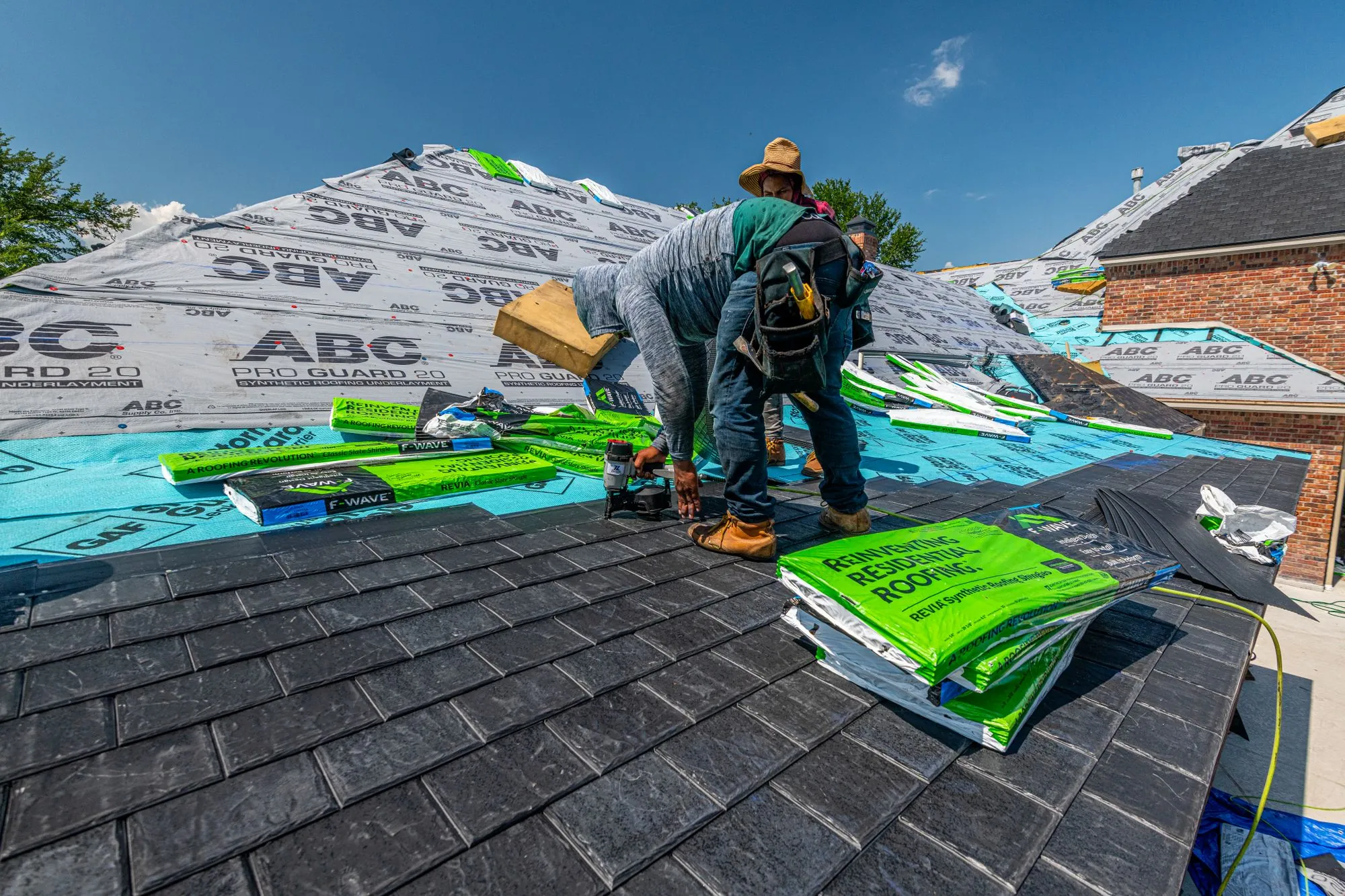
Every finding is photographed
Nothing gets written into an estimate that was not first recorded on camera. Lifted tabs, a split boot, a nail that has backed out of a valley — each one is a frame with a date on it.
We photograph what we find and hand you the pictures · (856) 347-3200
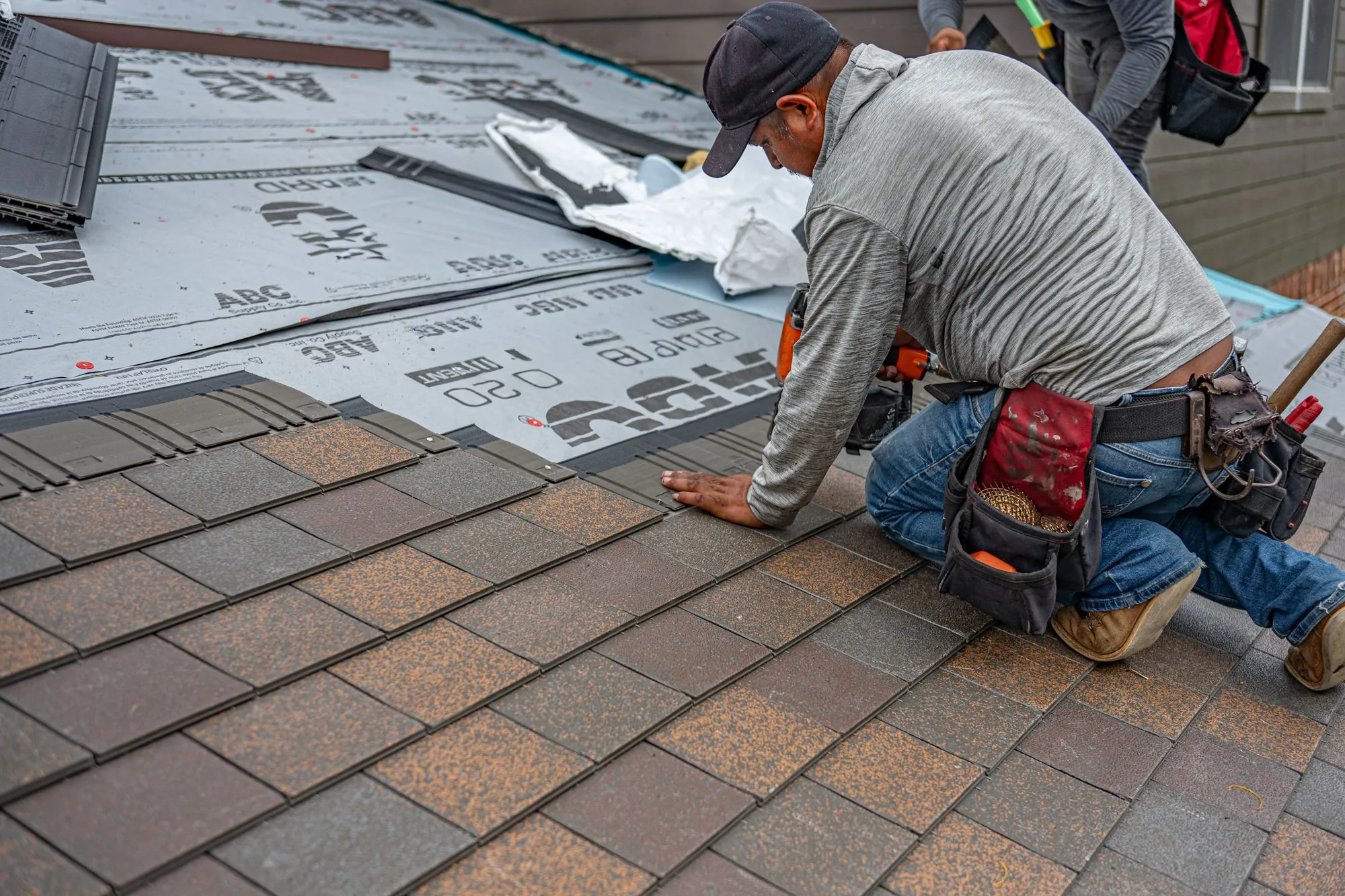
Roof replacement, repair and leak tracing for Lindenwold, Clementon, Stratford and Laurel Springs — every finding photographed on the day, so the estimate you get is one you can check against your own roof.
Get it photographed — (856) 347-3200Seven jobs, each with its own page. If you are not sure which one you are looking at, describe what you can see from the ground and we will tell you.
Full tear-off and a new system on bare deck, priced line by line after the roof has been photographed.
What this covers →Targeted repair of shingles, flashing, valleys and boots, when the roof around them still has years left.
What this covers →Tracing a leak back from the stain to the source, including the attic side, then fixing the thing causing it.
What this covers →Post-storm assessment and documentation, with photographs detailed enough to be worth something to an adjuster.
What this covers →An hour on the roof, every finding photographed, and a written note on what each one means and how long it can wait.
What this covers →Siding inspection, repair and replacement on the walls under the roof, by the crew that is already up there.
What this covers →Seamless gutter runs, guards and drainage correction, so water leaves the roof instead of sitting on it.
What this covers →None of this is unusual in principle. It is unusual in practice, which is the whole point.
Nothing gets written into an estimate that was not first recorded on camera. Lifted tabs, a split boot, a nail that has backed out of a valley — each one is a frame with a date on it.
The photographs and the written findings are yours at the end of the visit. Hire us, hire somebody else, or put the file in a drawer for three years. It makes no difference to what you are handed.
The person who climbed your roof on the first visit is on it again on the day of the work. Nothing is handed down a chain of subcontractors between the look and the job.
If the camera did not catch a problem, it does not appear on the estimate. That is the simplest test we know of for whether a quote is honest, and it is the one we hold ourselves to.
Five steps, and you can stop after the third without owing anything.
A stain on a bedroom ceiling, grit in the gutters, a neighbour's roof going up and a worry about your own. Whatever prompted it is enough to start from.
A survey takes about an hour on a typical Lindenwold house. The camera goes everywhere the hands do — slopes, valleys, flashing, boots, the gutter line, and the attic side where we can get to it.
You get the frames and a plain-English note on what each one shows, what it means, and roughly how long it can be left. This is the point at which plenty of people find out they do not need us yet.
If there is work worth doing, every line carries a quantity and a price. No lump sums, no ranges, and nothing on it that the photographs did not already show you.
Materials arrive the morning we start. At the end the ground is swept, the beds are checked by hand and a rolling magnet goes over the drive and the lawn edge twice.
Lindenwold sits tight against Clementon, Stratford, Laurel Springs and Pine Hill, and a borough here is a ten-minute drive rather than a scheduling problem. These are the towns we cover without adding travel to a quote.
Roof surveys, repairs and replacement, with no travel added to the estimate.
Roof surveys, repairs and replacement, with no travel added to the estimate.
Roof surveys, repairs and replacement, with no travel added to the estimate.
Roof surveys, repairs and replacement, with no travel added to the estimate.
Roof surveys, repairs and replacement, with no travel added to the estimate.
Roof surveys, repairs and replacement, with no travel added to the estimate.
Roof surveys, repairs and replacement, with no travel added to the estimate.
Roof surveys, repairs and replacement, with no travel added to the estimate.
The survey is free, the photographs are yours, and there is no obligation at the end of it.
Book a free inspection — (856) 347-3200Somebody walks the roof rather than squinting at it from the kerb. The camera goes over each slope, into the valleys, around the chimney and any skylight kerbs, across the rubber collars on the vent pipes and along the metal at the eaves. Where there is safe attic access we photograph the underside as well, because staining on the boards shows you where water is tracking far better than the covering above it ever will.
A set of photographs of your own roof and a written note against each one — what it is, whether it matters now, and what it is likely to do if it is left. If there is work worth quoting, a line-item estimate follows. If there is not, you are told that instead, and the file is still yours.
Rotten decking is the usual one, and it is the usual reason a roofing bill moves. We photograph the boards before anything goes back down and price the replacement by the sheet at a rate agreed in the original estimate, so the sum changes but the rate does not. Nothing extra gets done before you have seen the picture.
A survey is usually a few days out in ordinary weather and sooner when there is water coming in, because an active leak is a different kind of appointment. The written estimate follows the visit within a couple of days rather than on the spot — the measurements and the photographs take that long to turn into real numbers.
Clearing the gutters and the valleys so water leaves the roof instead of sitting on it, keeping branches off the slope, and having the flashing and the boots looked at every few years. Boots are rubber and they perish long before the shingles around them do, which is why so many leaks sit next to a vent pipe rather than anywhere dramatic.
Two decades and a bit is the usual figure for a dimensional asphalt covering in this part of the state, and noticeably less for the flat three-tab product that went onto a lot of older Camden County houses. Slopes that take the afternoon sun give out first. A covering laid straight over an older one rarely gets as far as one laid on clean boards. None of that settles your particular roof, though. The photographs settle it.
Ask for the inspection in writing and see whether the photographs come with it. Ask whether the estimate is line-item or a single figure. Ask who will actually be on the roof, and whether it is the same people who surveyed it. A contractor who is comfortable answering those three in order is usually comfortable for a reason.
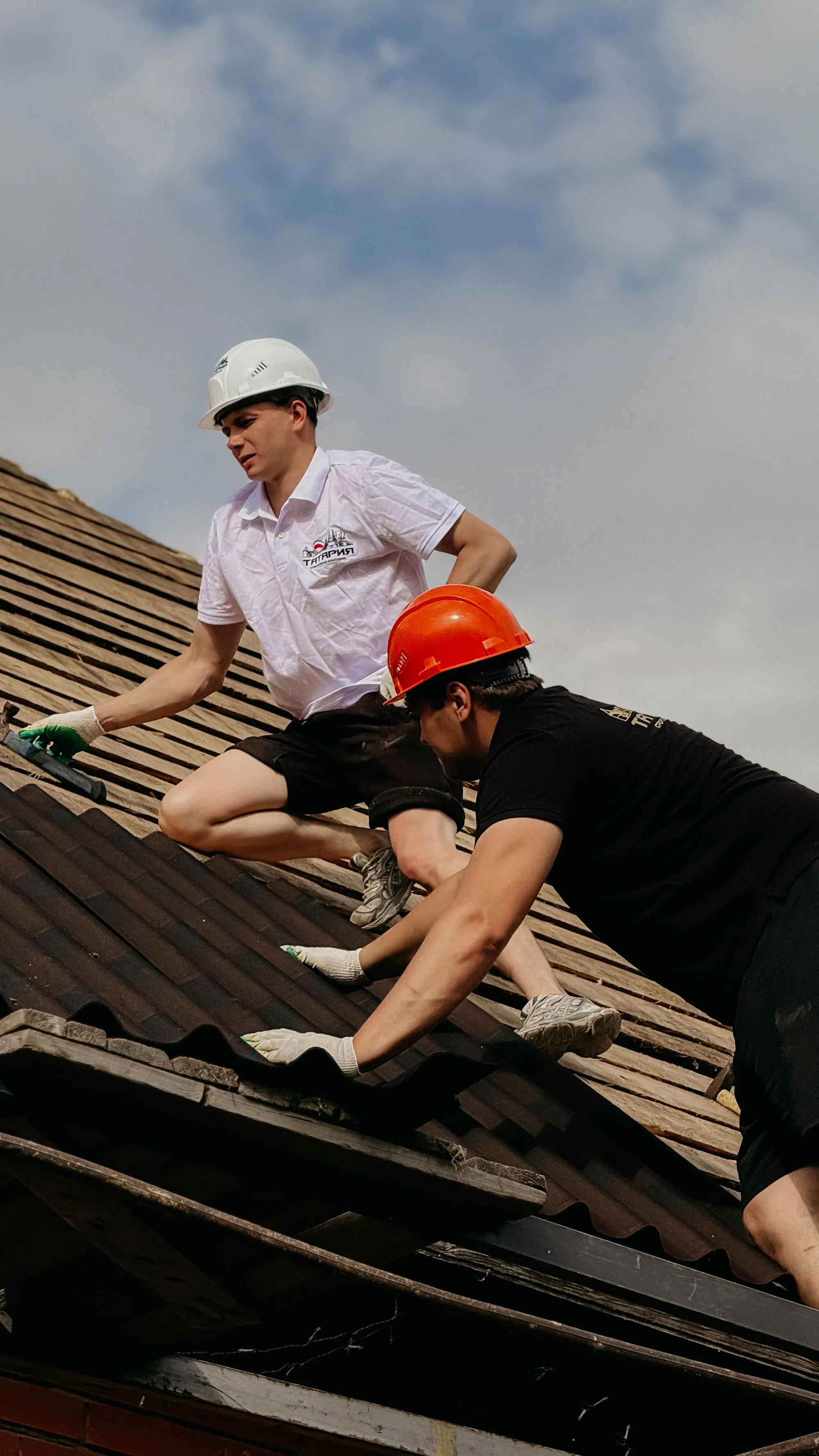
One visit, one set of pictures, and a straight answer about whether your roof needs anything at all.
Get it photographed — (856) 347-3200